



March 12, 2025, a Kroger in suburban Cincinnati.
A guy who goes by u/KrogerHatesMe on Reddit grabs a 12 pack of Coke Zero. His girlfriend grabs the identical one from the same stack ten seconds later.
He scans with the Kroger app: 3.99.
She uses a burner phone with no loyalty account: the digital shelf label flips to 7.99 right in front of the camera.
They post the receipts.
Within 48 hours the clip has 42 million views and 1.4 million upvotes. Kroger’s PR team first calls it a technical anomaly. By day two the CEO appears on CNBC to deliver the most expensive non apology in grocery history: “We provide personalized value to our members.”
Translation: let us track you or pay double.
That was the moment millions of people realized the price tag, the quiet nineteenth century invention that ended haggling and made modern life possible, had just died in real time.
This was not a glitch. It was a preview of a world where every price behaves like a stock ticker.
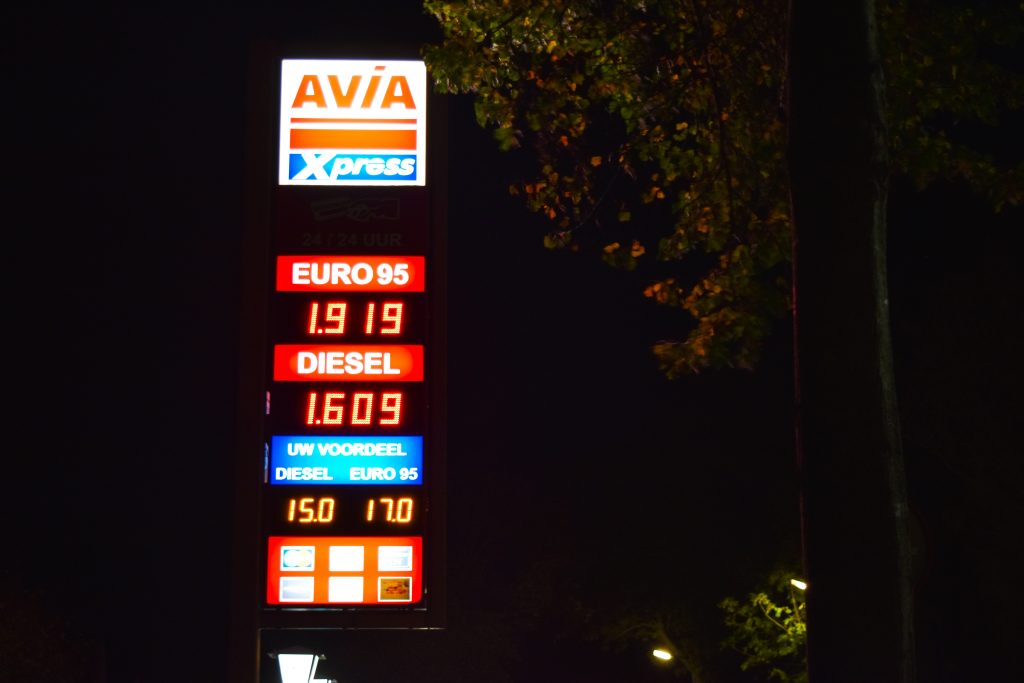
This Is Not a Glitch. This Is the Plan.
By late 2025 it is everywhere.
Walk into any Walmart, Target or Aldi with electronic shelf labels and the price you see might not be the price you pay.
Fill up at Shell or BP: the guy at the next pump can be paying sixty cents less per gallon because he has the app.
Order a Big Mac through the McDonald’s app while standing at the counter and you will probably pay less than the person next to you who did not.
For twenty years dynamic pricing lived safely inside airline websites and ride hailing apps. Then AI cut the compute cost to pennies and every retailer realized they could use it too.
Any bodega owner can now rent an AI pricing engine from Shopify or Square for seventy nine dollars a month and let it change prices two hundred times a day based on weather, inventory and how desperate it thinks you look.
Sometimes the system misfires. A pharmacy in Washington DC briefly charged everyone wearing office attire eighteen percent more before the company shut the model down.
The Slow Death of Planning
Everything we built the modern world on, budgets, contracts, feasibility studies and even central bank inflation targets, is cracking.
A Denver cafe owner told me his chicken wing supplier now quotes a different price every morning. His 2026 budget has a new line: “price risk contingency, eighteen percent.”
TSMC’s Arizona chip fab and multiple new American hospitals quietly added fifteen to twenty five percent onto their multi billion dollar price tags this year, explicitly because steel, copper and concrete no longer have stable prices.
Households feel it even more. A family of four can now see their weekly grocery bill swing thirty percent depending on which digital coupons fired and whether someone remembered to turn on a VPN.
Even the Federal Reserve is struggling. When half the country pays one price for milk and the other half pays something else, the official inflation number starts to feel like fiction.
How Far Will They Actually Push This
Here is the emerging hierarchy of what can and cannot be turned into a moving target.
Already fully liquid
Airline tickets, Uber rides, concert seats, cloud servers. Prices change by the second and nobody is shocked anymore.
Groceries and fast food are next in line
Loyalty apps already create two tier pricing. By 2030 the shelf label itself will recognize your phone and show you your price. Colorado and California are trying to slow this down but the big chains are lawyering up.
Business to business commodities and software
Steel, chemicals, shipping rates and even Salesforce seats now re price daily or weekly. Ten year fixed contracts are becoming museum pieces.
Rent
Short term and new leases are already algorithmic. Some co living companies adjust your monthly rate based on how often you leave the building. Traditional landlords are next unless rent control cities draw a hard line.
Wages
This is the wall they will not cross. Making your paycheck fluctuate day to day or person to person would violate equal pay laws in every rich country and would cause real riots. Even Uber will not dare experiment with per person wages. The lawsuits would outlive the company. The closest we will get is larger bonuses and more volatile gig platform rates.
Healthcare, water, taxes
Politically untouchable. The day insulin or tap water has surge pricing is the day governments fall.
The Two Tier Economy We Are Sleepwalking Into
We are splitting into two parallel worlds.
One layer is hyper fluid. Food, transport, clothes, electricity at six in the evening, raw materials, anything that can be metered and has low switching costs.
The other layer stays deliberately rigid. Your salary, long term housing, medicine, water, education. Society has decided that humans need at least some corners of life they can count on.
The gap between these layers is already spawning strange new businesses. Fixed price grocery subscriptions, material hedging co ops for small manufacturers, ride services that promise no surge ever at a twenty percent premium.
Can Anything Stop It
Some places are trying.
Colorado and California now require electronic shelf labels to show the same price to everyone unless you explicitly opt in to personalization.
The European Union just classified true one to one pricing as high risk AI and is writing rules that could ban it outright.
In Washington two bipartisan bills are circulating for 2026. One would force all physical retailers to update prices only once per day at a fixed hour. The other would outlaw the use of location or device type for in store price setting.
Whether any of this survives lobbying is unclear.
2032
Picture a young couple in Lisbon trying to open a tiny bakery.
Their software no longer delivers a single projection. It shows a shimmering probability cloud that updates every hour as butter futures, electricity rates and the landlord’s algorithm all twitch in real time. They argue not about recipes but about variance models.
The fixed price tag now sits in a museum next to the floppy disk and the Blockbuster card.
We finally achieved perfect economic efficiency.
We just never asked what kind of life you can build when the only stable price left is the one on your paycheck.
So here is the question none of the algorithms can answer.
In a world where everything has a moving price except your salary, what exactly are you optimizing for.
