

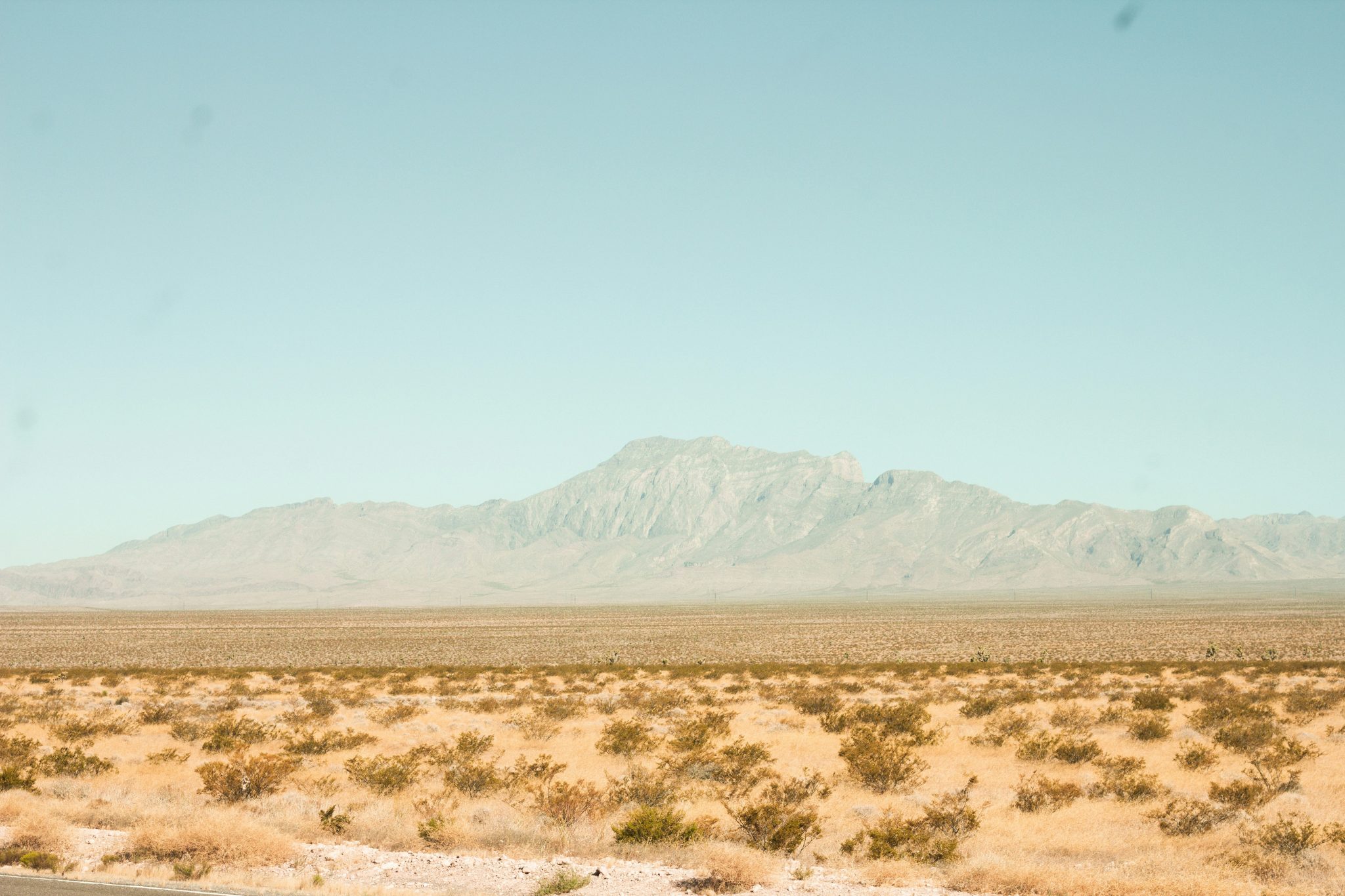

The old Nevada gold rush was about digging precious metal out of the ground. The new one is about burying hundreds of billions of dollars’ worth of silicon, steel, and cable beneath it. In the past three years, the Silver State has quietly turned into the most sought-after real estate on the planet for one reason: artificial intelligence cannot advance without somewhere to put millions of power-hungry GPUs, and Nevada is one of the only places left in America that can deliver land, power, and permits at the speed the industry demands.
The numbers are staggering. The United States already hosts more than 5,400 data centers, a figure that doubled in a single year. Goldman Sachs predicts global spending on AI infrastructure will reach three to four trillion dollars by 2030. McKinsey believes the true figure could hit seven trillion, nearly twice the annual economic output of the United Kingdom. Much of that money is flowing into giant computing campuses springing up across the high desert outside Reno and Las Vegas.
Google, Microsoft, Apple, Amazon, Meta, xAI, CoreWeave, and a dozen specialist operators such as Switch and Vantage are all building or expanding in Nevada. Some projects are measured not in megawatts but in gigawatts. A single modern hyperscale AI cluster can consume as much electricity as a midsize city. The race is so intense that companies now measure success in months, not years. This article analyzes the sudden AI rush towards Nevada, it also predicts the winners and losers from this AI rush.

Why Nevada Wins the Location Lottery
Several factors have combined to make Nevada uniquely attractive.
First, land. Training the next generation of frontier models will require facilities covering hundreds of thousands, sometimes millions, of square feet under one roof. Northern Nevada still has vast private ranches and state sections that can be assembled quickly and cheaply. A parcel that would cost hundreds of millions of dollars and five years of lawsuits in California can often be secured in Nevada for a fraction of the price and in under eighteen months.
Second, speed of permitting. Storey County, home to the Tahoe-Reno Industrial Center, and several other jurisdictions have become famous inside the industry for “red-carpet” treatment. Major projects routinely receive approvals in twelve to twenty-four months. In many other states the same process still takes five to ten years.
Third, power and transmission. NV Energy has been expanding the grid aggressively, and the state’s geography allows new high-voltage lines to be built across open desert with minimal community opposition. Tech companies are also funding their own gas peaker plants, solar farms with battery storage, and in some cases exploring small modular nuclear reactors. Nevada’s dry air provides almost year-round free cooling, slashing energy needed for air conditioning by twenty to forty percent compared with humid regions.
Fourth, tax incentives. Nevada offers some of the most generous data-center abatements in the country, routinely cutting sales and property taxes by seventy-five to ninety percent for ten to twenty years. When a single campus represents a five to ten billion dollar investment, those breaks add up fast.
Finally, momentum. Once Switch built the largest data-center campus in the world at the Citadel outside Reno, and Tesla established Gigafactory 1 nearby, the ecosystem locked in. Skilled contractors, fiber routes, and a growing pool of engineers followed. Today the Reno-Sparks area is sometimes called “the new Dulles Corridor” in reference to Northern Virginia’s original data-center alley.
The Price of Progress: Energy and Water
These advantages come with serious trade-offs.
A single large AI data center can draw 300 to 500 megawatts continuously, roughly the same as the city of Detroit. When Microsoft, Amazon, and Google each plan multiple gigawatts of new load in the state by 2030, the numbers cease to feel abstract. Nevada residential customers have already seen electric bills rise sharply in 2024 and 2025. In some rural counties rates have increased by more than one hundred percent in two years.
Water is the second flashpoint. Although modern data centers recycle most cooling water, evaporation in the desert still consumes billions of gallons per year across the fleet. Environmental groups warn that northern Nevada is already over-allocated on the Truckee River, and new withdrawals could threaten wetlands and agricultural users.
Politicians walk a tightrope. Governor Joe Lombardo and the legislature have welcomed the investment for the jobs and tax revenue it brings, yet they face growing pressure to protect consumers from cost shifts and to safeguard scarce water.
Winners and Losers
Winners
The clearest winners are the hyperscalers and their shareholders. Being first to train the largest models confers lasting advantage in the AI race. Companies able to switch on a million-GPU cluster six months ahead of rivals can dominate new markets before competitors even finish construction.
Nevada itself is a big winner economically. Thousands of high-paying construction and technical jobs have been created, and the new facilities will eventually generate billions in tax revenue once abatements expire. Small businesses around Reno and Sparks report booming trade. Energy companies, solar developers, and even natural-gas plant builders are seeing record demand.
Investors in supporting industries have done extraordinarily well. Shares of Bitcoin-mining-turned-AI-hosting companies such as IREN rose more than six hundred percent in the past year on GPU rental margins. Chip designers, cooling specialists, and power equipment manufacturers ride the same wave.
Losers
Ordinary Nevadans sit on the other side of the ledger. While the grid has not suffered widespread blackouts, the cost of new power plants and transmission lines is socialized across all ratepayers. Low-income and fixed-income households feel the pinch most acutely.
Rural communities near new campuses sometimes find themselves competing with data centers for limited water. Ranchers and environmentalists argue that short-term economic gains are being purchased with long-term ecological damage.
Other states have lost ground. Northern Virginia, once the undisputed king of data centers, is effectively full. California’s high costs and slow approvals have pushed most new AI-scale projects elsewhere. Texas and Arizona remain strong contenders, but Nevada’s combination of speed and scale has pulled ahead for now.
Outlook Through 2030 and Beyond
The build-out shows no sign of slowing. Industry roadmaps suggest that by 2030 the largest training clusters could require ten to one hundred times more compute than anything running in 2025. Nevada is one of perhaps five places in America that can physically host facilities of that size.
Power remains the crucial bottleneck. Tech giants are funding an “all-of-the-above” sprint: more natural gas for the next five years, massive solar-plus-storage projects for the medium term, and serious money into fusion startups and small modular reactors for the 2030s. Some executives privately call fusion the industry’s “moonshot backup plan” if renewables and gas cannot scale fast enough.
Regulation will evolve. Nevada lawmakers are already debating “fair share” bills that would require data centers to pay a larger portion of grid upgrade costs. At the federal level, the incoming Trump administration has signaled strong support for domestic AI infrastructure, including fast-tracked permitting and possible subsidies for nuclear development.
If demand matches the most aggressive forecasts, Nevada will cement its place as the beating heart of American AI. If the forecasts prove too optimistic, as happened with some crypto-mining projects, the state could be left with half-empty buildings and stranded power assets paid for by residents.
Conclusion
A century and a half after prospectors chased gold veins through these same hills, a new generation is chasing teraflops and tokens. The tools have changed, but the pattern is familiar: vast wealth created in a remote location, enormous risks taken, and a thin line between boom and bust.
Nevada has positioned itself better than almost anywhere else to ride this wave. Whether the state can capture the upside while limiting the damage to its people and its desert will decide whether this rush ends in legend or cautionary tale.
